
How Credit Card Debt Affects Bad Credit Car Loans
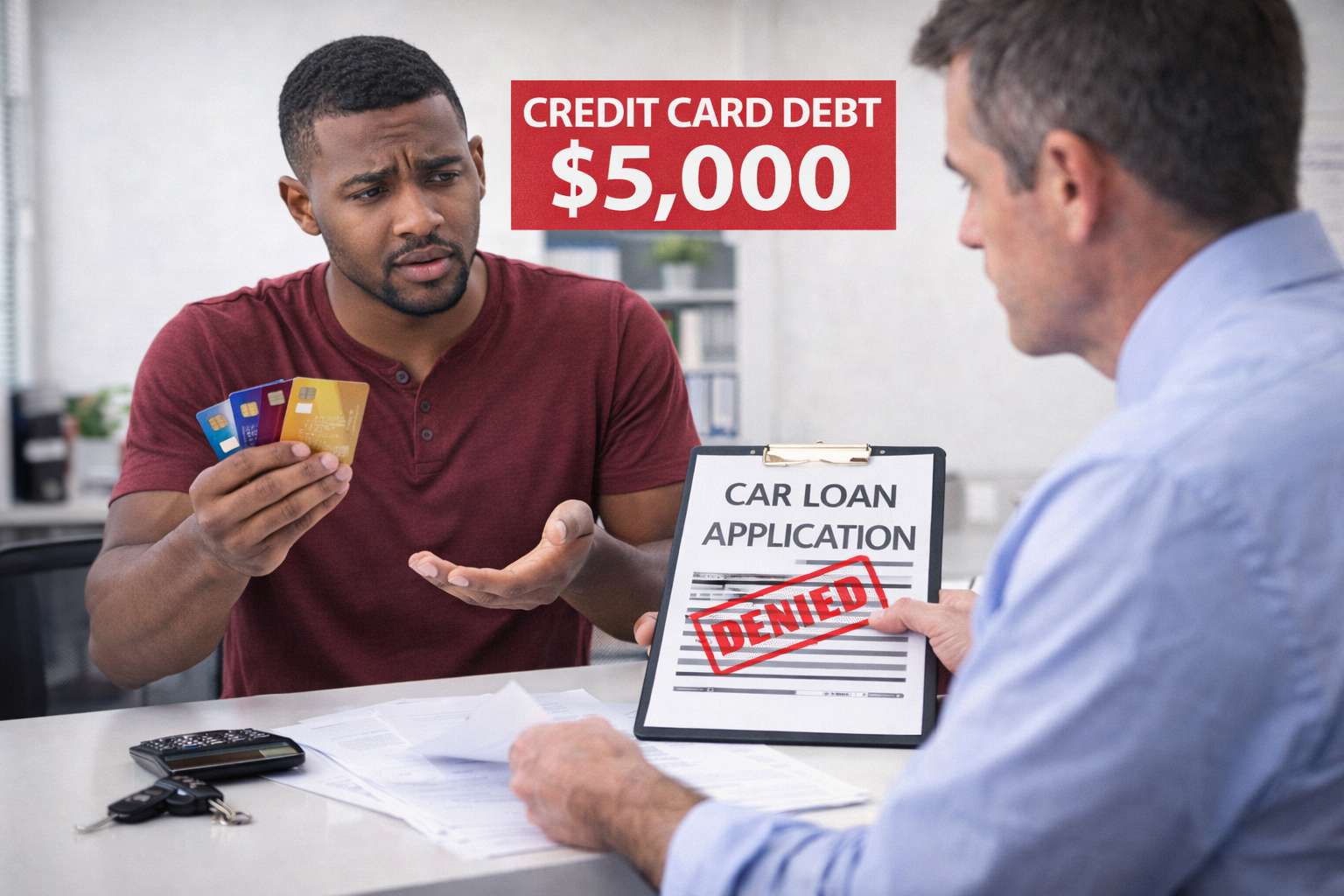
Many buyers are surprised to learn that credit card debt can matter just as much as credit score when applying for a car loan. Even if you’ve been making minimum payments on time, high balances can quietly reduce approval chances. For buyers with bad or rebuilding credit, lenders pay close attention to how revolving debt affects monthly affordability. This often explains why approvals come back lower than expected—or not at all. This guide explains how credit card debt affects your chances of a bad credit car loan and what you can do about it.
Why Credit Card Debt Gets Extra Attention
Credit card debt is considered revolving debt, meaning balances can change from month to month. Unlike fixed loans, credit cards allow ongoing borrowing, which increases uncertainty for lenders.
When credit history already shows risk, lenders look closely at revolving balances to judge how stretched your finances may be.
It’s Not Just the Payment That Matters
Many buyers assume lenders only care about the minimum payment listed on their statement. While the payment is important, balances matter too.
High balances suggest limited financial flexibility, even if payments are currently up to date.
Credit Utilization Plays a Big Role
Credit utilization measures how much of your available credit you’re using. High utilization can signal risk, even without missed payments.
For example, using a large portion of your credit limits may suggest reliance on credit for everyday expenses, which raises concerns during loan review.
How Credit Card Debt Affects Debt-to-Income Ratio
Credit card minimum payments are included in debt-to-income ratio calculations. Multiple cards with small minimums can add up quickly.
When combined with a proposed car payment, high DTI can lead to:
- Lower approved loan amounts
- Requests for a cheaper vehicle
- Required down payments
- Less flexible loan terms
Why Lenders Worry About Payment Stacking
Payment stacking happens when a new car payment is added on top of existing obligations that already stretch your budget.
Even if you can technically afford another payment, lenders want reassurance that your income can comfortably support all obligations at once.
How Credit Card Debt Impacts Loan Structure
When credit card debt is high, lenders may respond by:
- Shortening loan terms
- Limiting vehicle price ranges
- Asking for reduced loan balances
These adjustments aim to lower risk, but they can feel frustrating if you don’t understand the reason behind them.
Paying Down Cards Can Improve Outcomes
You don’t need to eliminate all credit card debt to improve approval chances. Strategic reductions often make a difference.
Helpful actions may include:
- Paying down one card completely
- Reducing balances to lower utilization
- Avoiding new charges before applying
Even modest improvements can positively affect both DTI and credit profile.
Timing Matters More Than Many Buyers Realize
Recently paid-down balances may not reflect immediately on statements or reports. Applying too soon can prevent lenders from seeing your progress.
Allowing time for updates helps ensure your effort counts during the approval process.
Why Zero Balances Aren’t Required
Lenders understand that many buyers carry some credit card debt. Approval decisions focus on manageability, not perfection.
A reasonable balance paired with stable income and an affordable vehicle often leads to better outcomes than a debt-free profile with unrealistic loan expectations.
Managing Credit Cards During the Loan
Once approved, keeping credit card balances steady—or gradually reducing them—supports on-time car payments.
Avoiding payment overload protects both your credit and your budget during the rebuilding phase.
Credit Card Debt Doesn’t Automatically Mean Denial
High balances make approval harder, but they don’t make it impossible.
Understanding how credit cards affect risk allows you to apply strategically, choose vehicles wisely, and avoid unnecessary rejections.
Smart Debt Management Builds Approval Confidence
Credit card debt is one part of a larger picture. When it’s managed alongside income, vehicle choice, and loan structure, approvals become more predictable.
A thoughtful approach today can turn a bad credit car loan into a stabilizing step forward—not another financial burden.