
How to Use a Car Loan Calculator for Zero Down Scenarios
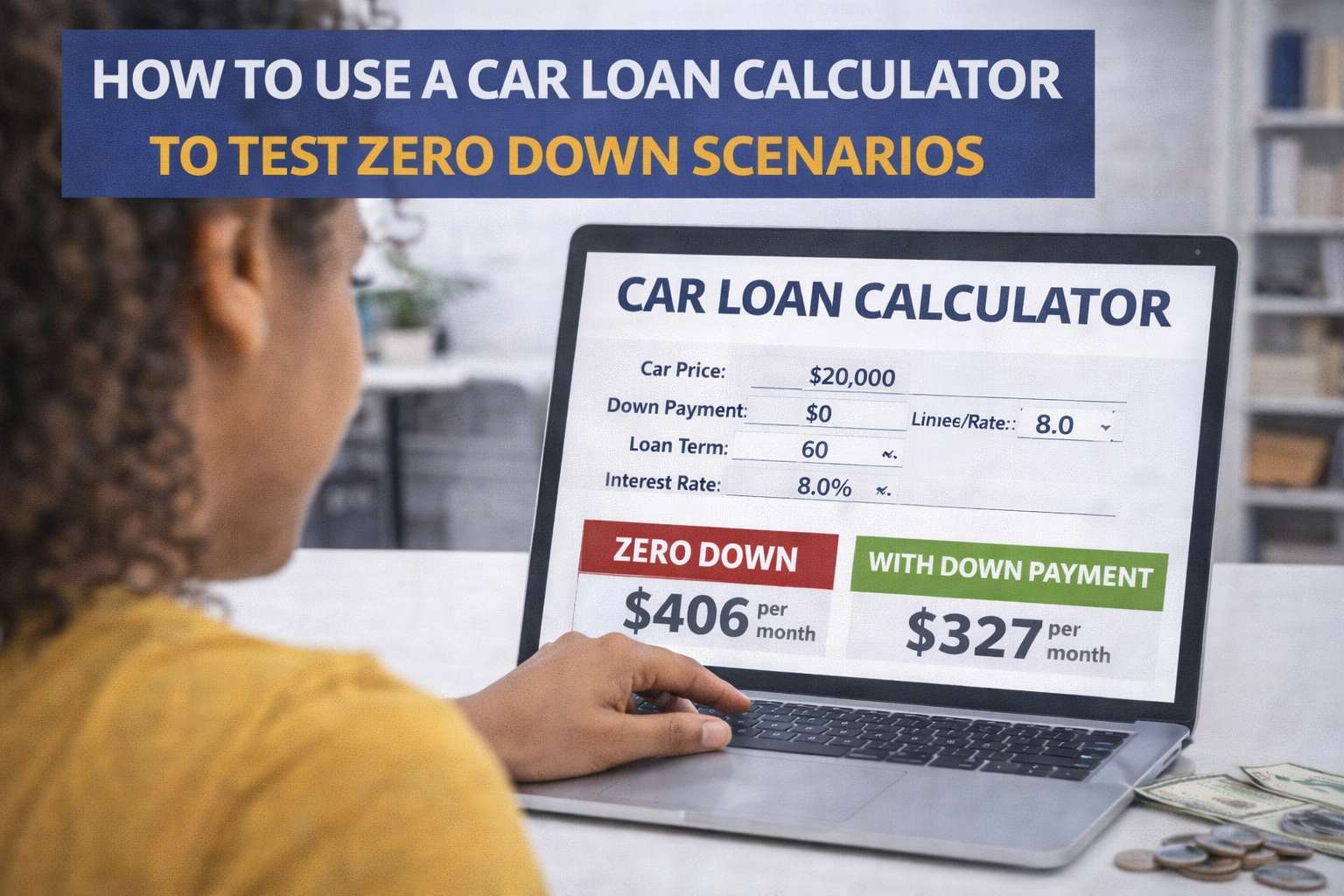
Zero down car loans often look affordable at first glance, but the real cost usually shows up later. Many buyers focus only on the monthly payment and don’t realize how much interest and risk they’re taking on over time. A car loan calculator is one of the simplest tools for seeing the full picture before you commit. When used correctly, it can reveal whether a zero down deal actually fits your budget—or just postpones problems. This guide walks through how to use a car loan calculator specifically to test zero down scenarios safely.
Why Zero Down Loans Need Extra Testing
With zero down, you’re financing the entire vehicle price—and often additional costs as well. That makes the loan more sensitive to interest rates, term length, and depreciation.
A calculator helps you slow the process down and see the long-term impact before emotions or urgency take over.
What a Car Loan Calculator Really Shows
A basic car loan calculator estimates:
- Monthly payment
- Total interest paid
- Total loan cost over time
Some also allow you to adjust term length and interest rate, which is where the real insight comes from.
Step One: Start With a Realistic Vehicle Price
Don’t start with the “ideal” car—start with a realistic price you’re likely to be approved for.
Testing inflated prices leads to misleading results and false optimism. The goal is to stress-test affordability, not justify a stretch.
Step Two: Set the Down Payment to Zero
This is where zero down scenarios get revealing. Enter zero for the down payment and observe how much the loan balance increases.
Notice how even small price changes can cause noticeable payment differences when nothing is paid upfront.
Step Three: Test Multiple Loan Terms
Loan term length has one of the biggest impacts on zero down loans.
Try comparing:
- Shorter terms with higher payments
- Longer terms with lower payments
Watch how total interest rises as the term stretches. Lower payments often come at a much higher long-term cost.
Step Four: Adjust the Interest Rate Conservatively
When credit isn’t strong, using an optimistic interest rate can understate risk.
Test slightly higher rates to see how sensitive the payment becomes. If the payment breaks your budget with a small rate increase, the loan is already too tight.
Step Five: Look Beyond the Monthly Payment
A payment that looks manageable can still hide problems.
Pay close attention to:
- Total interest paid
- Length of time before the balance meaningfully drops
- How long you’re likely to be in negative equity
These factors matter if you need flexibility later.
Step Six: Compare Zero Down vs Small Down
Once you’ve tested zero down, rerun the numbers with a modest down payment.
Often, even a small amount:
- Lowers the payment
- Reduces interest significantly
- Shortens negative equity duration
This comparison helps determine whether waiting a few weeks to save could be worth it.
Step Seven: Test “Worst-Case Comfort”
Ask yourself: What if money gets tighter later?
If the zero down payment already feels near your limit, there’s little margin for unexpected expenses like repairs, insurance increases, or income changes.
Common Calculator Mistakes to Avoid
Ignoring total loan cost
Focusing only on monthly payment hides long-term consequences.
Using unrealistic rates or terms
Optimistic assumptions can make risky loans look safe.
Forgetting ownership costs
A calculator doesn’t include fuel, insurance, or maintenance—those still need to fit your budget.
Why Calculators Are Especially Useful for Bad Credit Buyers
Bad credit loans are less forgiving. Refinancing or trading out early isn’t always an option.
Using a calculator beforehand helps you choose a loan you can live with, not just qualify for.
When Zero Down May Still Make Sense
Zero down may be necessary when:
- Transportation is urgent
- Savings aren’t available
- The vehicle price is very conservative
In these cases, calculators help you minimize damage rather than eliminate risk.
Calculators Turn Guesswork Into Clarity
A car loan calculator doesn’t make decisions for you—but it removes surprises.
Seeing the numbers clearly allows you to choose deliberately instead of reacting to pressure.
Use the Tool Before the Deal, Not After
The best time to use a calculator is before you apply or negotiate—not once you’re already committed.
Five minutes of testing can prevent years of regret, especially with zero down loans.