
Struggling with Bad Credit Car Loan Payments?
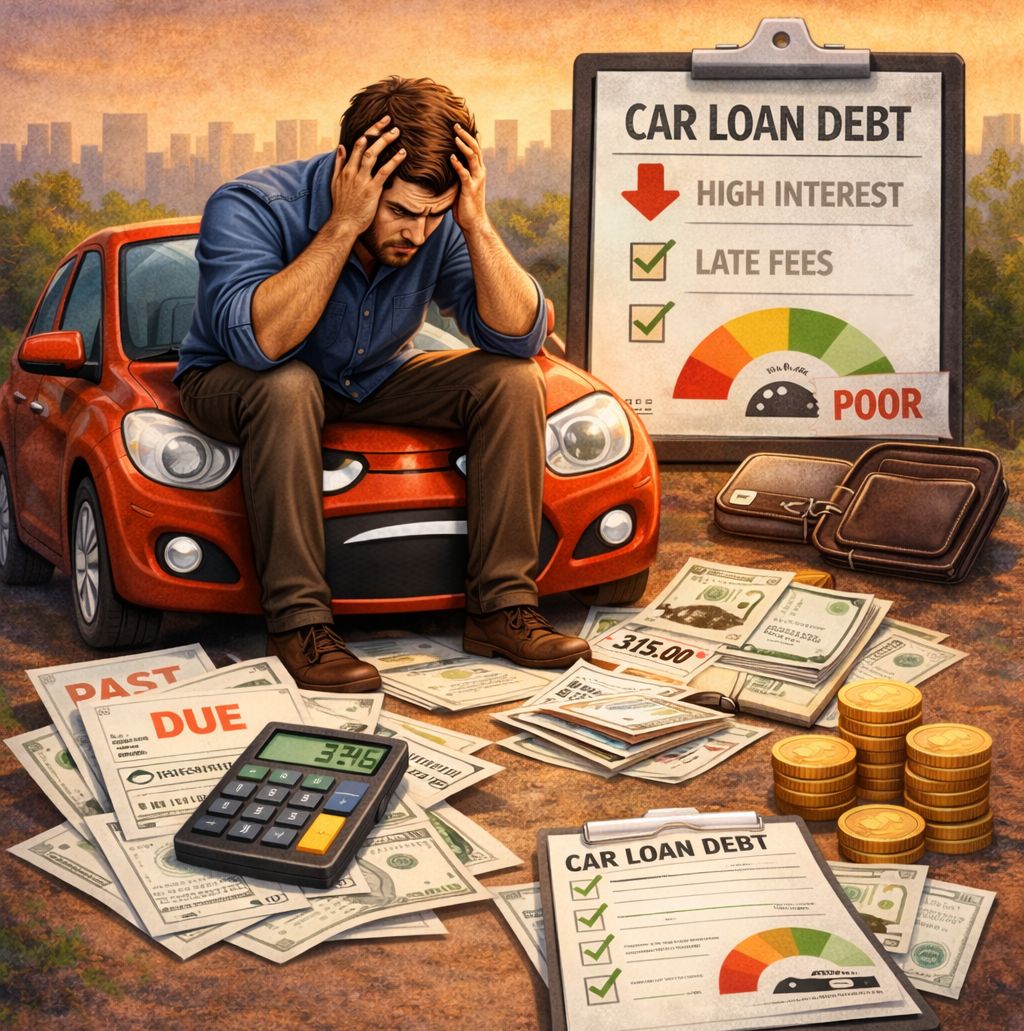
If you’re struggling with payments on a bad credit car loan, you’re not alone. High interest rates and tight budgets can make monthly payments feel overwhelming. Missing even one payment can create a chain reaction of fees, credit damage, and stress. The good news is that you still have options—and acting early can make a major difference. This guide walks you through practical, realistic steps to protect your vehicle and your financial future.
Step 1: Don’t Ignore the Problem
When money gets tight, it’s tempting to hope things will work themselves out. But with auto loans—especially high-interest ones—delaying action can quickly make things worse.
Late fees add up. A 30-day late mark can lower your credit score. And repeated missed payments can lead to repossession.
The earlier you respond, the more choices you usually have.
Step 2: Review Your Loan Details Carefully
Before making any decisions, review your loan agreement. Look for:
- Your interest rate
- Your current payoff balance
- Whether there are late fees
- Any hardship or deferment language
Understanding the terms gives you clarity. Many borrowers feel trapped because they don’t know the specifics of their loan.
Step 3: Contact Your Lender Proactively
It may feel uncomfortable, but calling your lender before you fall far behind can help. Some lenders may offer temporary options such as:
- Short-term deferment
- Payment extensions
- Modified payment plans
These options vary by lender and situation. They aren’t guaranteed—but they’re much more likely to be available before the account becomes seriously delinquent.
Be honest about your situation. Lenders prefer communication over silence.
Step 4: Rework Your Monthly Budget
If your car payment feels unmanageable, take a fresh look at your expenses.
Ask yourself:
- Are there subscriptions or recurring expenses you can pause?
- Can you reduce dining, entertainment, or discretionary spending temporarily?
- Is there an opportunity for overtime or side income in the short term?
Even small changes can free up enough cash flow to prevent falling further behind.
This step isn’t about cutting everything permanently. It’s about stabilizing during a difficult period.
Step 5: Consider Refinancing—But Only If It Makes Sense
Refinancing can sometimes lower your payment or interest rate. However, it depends on:
- Your recent payment history
- Your credit score
- How much you still owe compared to the car’s value
If you’ve already missed multiple payments, refinancing becomes harder. Lenders want to see a pattern of on-time payments before offering better terms.
If refinancing is possible, extending the loan term may reduce your monthly payment—but it could increase total interest paid. Evaluate carefully before committing.
Step 6: Evaluate Whether Keeping the Car Is Realistic
This is the hardest step—but sometimes necessary.
If your payment consistently strains your budget and the interest rate is extremely high, holding onto the vehicle at all costs may not be the best long-term decision.
Options may include:
- Selling the car (if you’re not deeply upside down)
- Voluntary surrender (better than forced repossession, though still damaging to credit)
- Trading into a more affordable vehicle, if financially feasible
Every situation is different. The key question is whether the payment supports your long-term stability—or keeps you in constant crisis.
Step 7: Protect Your Credit From Further Damage
If you can’t pay the full amount, paying something is often better than paying nothing. Partial payments may not prevent a late mark, but they can reduce the growing balance and demonstrate effort.
Also:
- Keep insurance active
- Avoid ignoring collection calls
- Continue monitoring your credit report
The goal is damage control while you rebuild stability.
How to Break the Cycle Long-Term
Many bad credit auto loans come with high interest because of past financial setbacks. The way forward is consistency.
If you’re able to bring the account current and stay on track for 6–12 months, your credit profile can begin to improve. At that point, refinancing or trading into a lower-cost loan may become realistic.
The biggest mistake isn’t having a tough month. It’s letting a temporary setback turn into long-term financial loss.
When to Seek Outside Help
If your situation feels overwhelming—especially if multiple debts are involved—you may want to speak with a nonprofit credit counseling agency. They can help you evaluate your broader financial picture.
While they won’t erase your auto loan, they may help restructure other obligations so your car payment becomes more manageable.
Take Action Early
Struggling with payments on a bad credit car loan doesn’t mean failure. It means your budget needs adjustment or your loan structure needs review.
The sooner you take action—call your lender, evaluate your budget, or explore alternatives—the more control you keep. Waiting rarely improves the outcome. Proactive steps protect both your car and your future financial options.