
Auto Loan Rates by State: State-by-State Guide

Carfixcredit | Updated April 2026 | 20 min read
Where you live affects what you pay for a car loan.
Most buyers don’t realize this. They assume auto loan rates are set by their credit score and that’s the end of the conversation. Credit score matters a lot, but it’s not the whole picture.
State laws, local lender competition, average income levels, and regional economic conditions all influence what rates look like in your area. A buyer with the same credit score in Texas might see a different rate than a buyer in New York. Sometimes the difference is small. Sometimes it’s meaningful.
This guide covers auto loan rates across every state in the country. What drives the differences, what you can expect in your state, and how to make sure you’re getting the best rate available to you regardless of where you live.
Why Auto Loan Rates Vary by State
Before we get into the numbers, it helps to understand why location affects your rate in the first place.
Interest rate caps
Some states limit how high lenders can set their interest rates on auto loans. These caps protect buyers from predatory lending but they also affect which lenders operate in that state and what products they offer. States with stricter caps sometimes have fewer lender options, particularly for subprime buyers.
Lender competition
States with more lenders competing for the same borrowers tend to have better rates overall. More competition means lenders have to work harder to win your business. States with fewer lenders, particularly in rural areas, don’t have the same competitive pressure keeping rates in check.
State taxes and fees
Sales tax, registration fees, and documentation fees vary significantly by state. These don’t directly affect your interest rate but they affect your total loan amount if they get rolled into the financing. A higher total loan amount means more interest paid over the life of the loan even at the same rate.
Default rates
Lenders track how often borrowers in specific states default on auto loans. Higher default rates in a region push lenders to price their risk accordingly. That can mean higher rates for buyers in states with historically higher default activity.
Local economic conditions
Average income, employment stability, and cost of living all factor into how lenders assess risk in a given market. Strong local economies tend to support more competitive lending environments.
How to Read This Guide
The rates listed here represent average ranges based on available market data as of early 2026. Your individual rate will depend on your credit score, loan term, vehicle type, lender, and down payment.
Use these figures as a reference point, not a guarantee. The goal is to give you a realistic baseline for your state so you know whether the rate you’re being offered is in a reasonable range or worth shopping further.
Auto Loan Rates by State
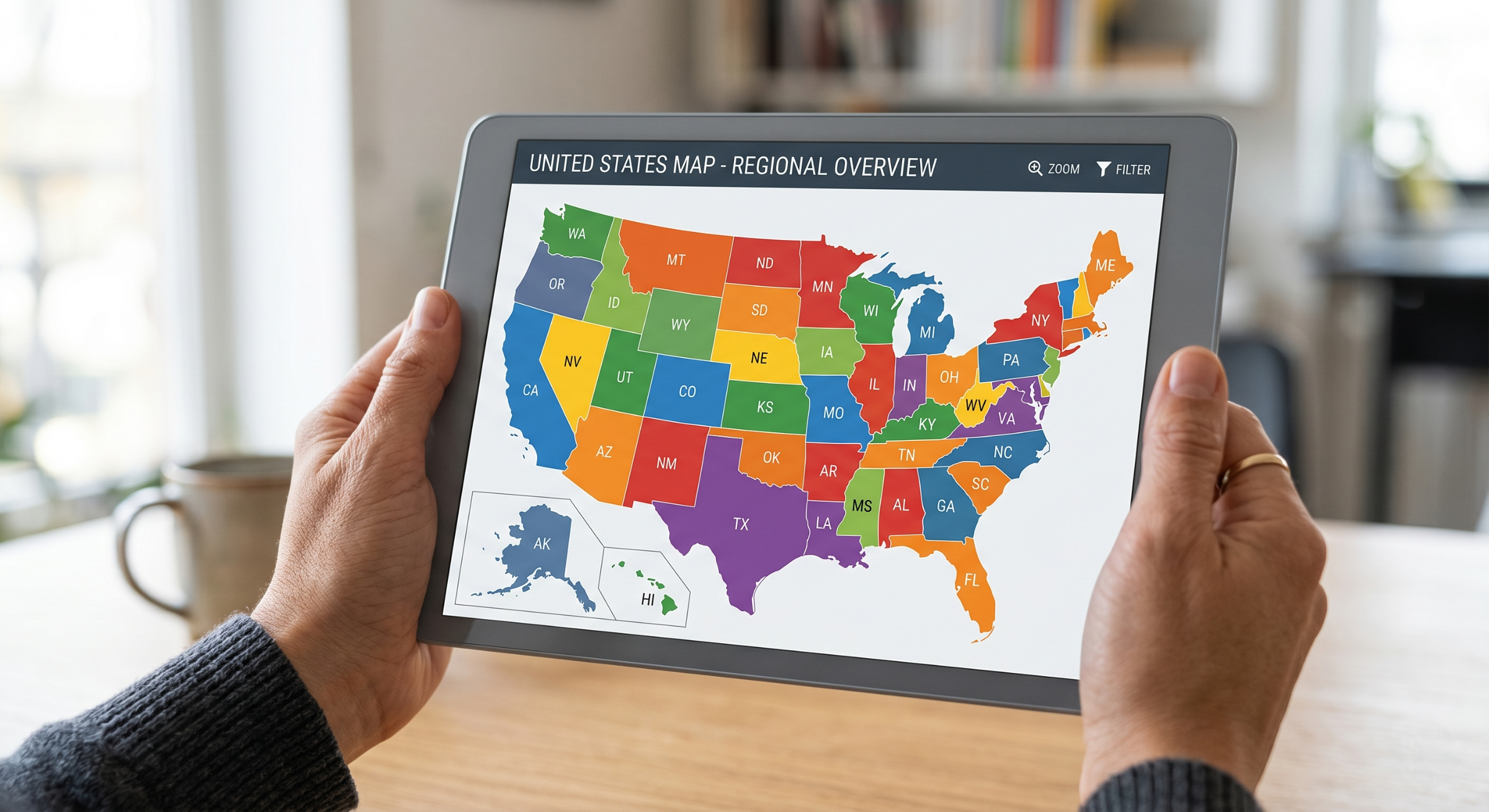
Alabama
Alabama sits close to the national average on auto loan rates. Buyers with strong credit can expect rates in the 5 to 7 percent range on new vehicles. Subprime buyers will typically see rates in the 12 to 18 percent range depending on the lender and the vehicle. The state has a competitive mid-size lending market and rates tend to be reasonable for buyers who come in prepared.
Alaska
Alaska’s geographic isolation affects its lending market. Fewer lenders operate there and the cost of doing business is higher, which can push rates slightly above the national average in some cases. Buyers should shop online lenders alongside local options to make sure they’re seeing the full range of what’s available.
Arizona
Arizona is a competitive auto lending state with a large population and multiple major lender networks active in the market. Average rates for good credit buyers tend to run in the 5 to 7 percent range. The subprime market is well-served here with multiple specialist lenders operating across the state.
Arkansas
Arkansas has interest rate cap regulations that affect what lenders can charge. This protects buyers from extreme rates but can limit options for subprime buyers in some cases. Standard credit buyers typically see competitive rates. Checking bad credit auto loan options in Arkansas is worth doing through a lending network that matches across multiple providers simultaneously.
California
California has one of the most active auto lending markets in the country. Strong consumer protection laws and high lender competition generally work in buyers’ favor on rates. Average rates for good credit buyers are competitive, often in the 5 to 6.5 percent range on new vehicles. The subprime market is large and well-served. Buyers should be aware that California’s vehicle registration fees and taxes can add meaningfully to the total loan amount if rolled in.
Colorado
Colorado has a growing population and an active lending market. Rates for qualified buyers tend to be competitive. The Denver metro area in particular has strong lender competition that benefits buyers across credit tiers. Average rates for good credit buyers typically run in the 5 to 7 percent range.
Connecticut
Connecticut buyers tend to see rates close to the national average. The state has strong consumer lending protections and a well-developed financial services sector. Rates for strong credit buyers are competitive. Higher income levels in the state mean lenders see lower average default risk, which generally supports reasonable rate environments.
Delaware
Delaware is notable in the lending world because many financial institutions are incorporated there due to favorable corporate laws. That doesn’t necessarily mean better rates for consumers, but it does mean there’s no shortage of lenders operating in the market. Rates tend to track close to the national average.
Florida
Florida has one of the largest auto lending markets in the United States. High population, strong vehicle demand, and intense lender competition keep rates competitive across credit tiers. Buyers with strong credit typically see rates in the 5 to 7 percent range. The subprime market is well-developed and buyers with challenged credit have meaningful options available.
Georgia
Georgia’s large population and growing economy support an active lending market. Atlanta in particular has strong lender competition. Rates for qualified buyers are generally competitive. Subprime buyers have good options here relative to many other states.
Hawaii
Hawaii’s isolation and higher cost of living push lending costs slightly above the mainland average in some cases. Fewer lenders operate locally which reduces competitive pressure. Online lenders can help Hawaii buyers access broader options than what’s available through local institutions alone.
Idaho
Idaho has a smaller lending market but rates tend to be reasonable for qualified buyers. The state’s relatively low default rates support a stable lending environment. Buyers in rural areas may find fewer local options and benefit from using an online lending network to broaden their choices.
Illinois
Illinois has a large and competitive lending market anchored by Chicago. Buyers across the state generally have access to strong rate options, particularly in the metro areas. The state has consumer lending protections that provide a reasonable floor on terms. Average rates for good credit buyers typically run in the 5 to 7 percent range.
Indiana
Indiana tends to track close to the national average on auto loan rates. The state has a solid manufacturing economy which supports stable employment and lower default risk. Buyers with strong employment history and decent credit tend to see competitive offers.
Iowa
Iowa’s lending market is smaller but stable. Rates tend to be reasonable for qualified buyers. Lower cost of living and stable employment in the state support a low-risk lending environment which generally keeps rates from running too high.
Kansas
Kansas tracks close to the national average. The state doesn’t have notable rate caps that significantly affect the lending landscape in either direction. Buyers should shop across online and local lenders to find the most competitive offers.
Kentucky
Kentucky buyers typically see rates near the national average. The state has a mix of local credit unions, regional banks, and national lenders operating in the market. Credit unions in particular tend to offer competitive rates for members in this state.
Louisiana
Louisiana has some of the higher average auto loan rates in the South, driven partly by above-average default rates in the state. Buyers with strong credit can still find competitive options but should shop carefully. Subprime buyers should expect rates at the higher end of the typical range for their credit tier.
Maine
Maine’s smaller population means fewer lenders competing locally. Rates tend to be reasonable for qualified buyers but options are more limited than in larger states. Online lenders fill in the gap effectively for Maine buyers looking for broader options.
Maryland
Maryland has a competitive lending market supported by a strong economy and high average income levels. Rates for qualified buyers are generally competitive. The proximity to major financial centers gives buyers access to a wide range of lender options.
Massachusetts
Massachusetts has strong consumer lending protections and a competitive market. Buyers with strong credit typically see good rates. The state’s higher average income levels and strong employment base support a favorable lending environment overall.
Michigan
Michigan’s auto industry history makes it a unique lending market. Strong familiarity with vehicle financing and a large number of lenders operating in the state generally support competitive rates. Manufacturer financing programs are also well-represented here given the state’s ties to the auto industry.
Minnesota
Minnesota tends to track near or slightly below the national average on rates. Strong employment, low default rates, and healthy lender competition support a favorable borrowing environment. Buyers across credit tiers generally find reasonable options here.
Mississippi
Mississippi has some of the higher average rates in the country, driven by higher default rates and lower average incomes in the state. Buyers with strong credit can still find competitive offers but should shop carefully and compare across multiple lenders before committing.
Missouri
Missouri tracks close to the national average. The state has a mix of urban and rural markets. St. Louis and Kansas City have strong lender competition while rural areas may have fewer local options. Online lenders are a useful supplement for buyers outside the major metro areas.
Montana
Montana’s low population and large geographic spread mean fewer lenders operating locally. Rates for qualified buyers are generally reasonable but options are limited. Online lending networks provide access to a broader range of lenders than what’s available locally.
Nebraska
Nebraska tends to see rates near the national average. The state’s stable agricultural economy and low unemployment support a steady lending environment. Credit unions are particularly strong in Nebraska and often offer some of the best rates available to members.
Nevada
Nevada has a competitive lending market in the Las Vegas metro area. Rates tend to be reasonable for qualified buyers. The state doesn’t have significant rate caps that restrict the lending landscape and lender competition is solid in the major urban areas.
New Hampshire
New Hampshire has one of the stronger consumer financial environments in New England. Low default rates and stable employment support competitive lending conditions. Buyers with good credit typically see solid rate options here.
New Jersey
New Jersey has a competitive lending market with strong consumer protections. High average income levels in the state support a relatively favorable rate environment for qualified buyers. Buyers should compare across banks, credit unions, and online lenders to find the best available rate.
New Mexico
New Mexico tends to see rates slightly above the national average in some cases, driven partly by higher default rates in certain areas of the state. Buyers with strong credit can find competitive options. Subprime buyers have options but should expect rates at the higher end of their tier.
New York
New York has strong consumer lending protections and one of the most active lending markets in the country. Rates for qualified buyers in New York City and surrounding areas tend to be competitive due to intense lender competition. Buyers upstate may see slightly fewer local options but online lenders fill that gap effectively.
North Carolina
North Carolina has a growing economy and an active lending market. Rates for qualified buyers tend to be competitive. The state’s strong employment growth has supported a healthy lending environment in recent years.
North Dakota
North Dakota’s strong energy economy supports stable employment and low default rates. This translates into a favorable lending environment with rates that tend to be competitive for qualified buyers despite the state’s smaller population.
Ohio
Ohio has a large and competitive lending market. Multiple major cities, strong manufacturing employment, and numerous lenders operating across the state support good rate options for buyers across credit tiers. Rates for good credit buyers typically run close to or slightly below the national average.
Oklahoma
Oklahoma tracks near the national average on rates. The state’s energy-driven economy creates some income volatility in certain regions, which can affect how lenders assess risk. Buyers with stable employment history tend to see strong offers.
Oregon
Oregon has consumer-friendly lending laws and a competitive market in the Portland metro area. Rates for qualified buyers tend to be reasonable. The state’s tech-driven economy in major urban areas supports strong income levels and favorable lending conditions.
Pennsylvania
Pennsylvania has one of the largest lending markets on the East Coast. Strong lender competition across the state generally supports competitive rates. Philadelphia and Pittsburgh both have active markets and buyers statewide have access to a wide range of lender options.
Rhode Island
Rhode Island is small but has access to the broader New England lending market. Rates tend to track near the national average. Buyers should compare online lenders alongside local options to ensure they’re seeing the full range of available rates.
South Carolina
South Carolina tracks near the national average. The state’s growing economy and population support an active lending market. Buyers with strong credit tend to find competitive options across multiple lender types.
South Dakota
South Dakota is notable for its permissive banking laws, which is part of why many financial institutions are headquartered there. For consumers, this means access to a range of lender options. Rates for qualified buyers tend to be competitive.
Tennessee
Tennessee has a growing and active lending market. Nashville’s economy in particular has driven strong population and income growth in recent years, supporting favorable lending conditions. Rates for qualified buyers tend to be competitive and the subprime market is well-served.
Texas
Texas has one of the most active auto lending markets in the country. High population, strong vehicle demand, and intense lender competition keep rates competitive across credit tiers. Buyers with strong credit typically see rates in the 5 to 7 percent range. The state has a well-developed subprime lending market and buyers with challenged credit have meaningful options available.
Utah
Utah has a strong and growing economy anchored by Salt Lake City’s tech sector. Low unemployment and stable income levels support a favorable lending environment. Rates for qualified buyers tend to be competitive and the state has a healthy mix of local and national lenders.
Vermont
Vermont’s small population means fewer local lenders but rates for qualified buyers tend to be reasonable. The state’s strong community banking culture means credit unions and local banks are often good options. Online lenders provide additional choice for buyers looking beyond local institutions.
Virginia
Virginia has a competitive lending market supported by strong economic activity in the Northern Virginia corridor and a diverse statewide economy. Rates for qualified buyers tend to be competitive. The state has solid consumer lending protections that work in buyers’ favor.
Washington
Washington state has a competitive lending market anchored by Seattle’s strong tech economy. High average incomes and low default rates support favorable lending conditions. Rates for qualified buyers are generally competitive and the subprime market has solid options as well.
West Virginia
West Virginia tends to see rates slightly above the national average in some cases, driven by higher default rates and lower average incomes in certain regions of the state. Buyers with strong credit can still find competitive options by shopping across multiple lenders.
Wisconsin
Wisconsin tracks near or slightly below the national average on rates. The state’s manufacturing economy and stable employment support a steady lending environment. Credit unions are particularly strong in Wisconsin and often represent some of the best rate options available.
Wyoming
Wyoming’s small population means fewer local lenders. Rates for qualified buyers are generally reasonable but options are limited locally. Online lenders are an important resource for Wyoming buyers looking to access the full range of available financing options.
How to Get the Best Rate in Your State
Knowing your state’s rate environment is useful. Knowing how to work within it is better.
Check your credit before you apply
Your credit score is still the biggest single factor in your rate regardless of where you live. Pull your report before you apply anywhere. Dispute any errors you find. Even a small score improvement from correcting a mistake can move you into a better rate tier.
Shop across multiple lender types
Banks, credit unions, online lenders, and dealership financing all quote differently. Getting offers from more than one source gives you leverage and a realistic picture of what’s available. A pre-approval from a credit union before you walk into a dealership is one of the most effective tools a buyer has.
Consider loan term carefully
A longer term lowers your monthly payment but increases your total interest paid. In states with higher average rates, this effect is amplified. Shorter terms cost more monthly but save meaningful money over the life of the loan, especially when rates are elevated.
Use a lending network for broader access
In states with fewer local lenders, particularly rural states, online lending networks that match you across multiple providers simultaneously are often the most effective way to find a competitive rate. One application, multiple lender options, without multiple hard inquiries hitting your credit report.
Factor in state taxes and fees
Some states have high sales tax or documentation fees that get rolled into the loan. Make sure you know what your total loan amount will be, not just the vehicle price, before you compare rates across lenders.
Credit Score Ranges and What They Mean for Your State Rate
Regardless of which state you’re in, your credit score creates the baseline for your rate. Here’s a general framework.
Excellent credit, 750 and above, gets you the best available rate in your state. Lenders compete for these borrowers and the offers reflect that.
Good credit, 700 to 749, still produces solid options in most states. You’re not leaving significant money on the table here.
Fair credit, 640 to 699, and rates start climbing. You’re still very financeable in most states but the gap between your rate and a strong credit buyer’s rate becomes meaningful.
Poor credit, below 640, means subprime territory. Rates vary more at this level and the state you’re in affects your options more noticeably. Some states have stronger subprime lending markets than others. Finding bad credit auto loan options in your state is worth doing through a platform that matches across multiple lenders rather than applying individually.
No credit history follows similar patterns to poor credit. First-time buyer programs and credit union relationships are your best starting points.
State Rate Caps and What They Mean for You
A handful of states impose caps on auto loan interest rates. Here’s what that means in practice.
If your state has a cap, it protects you from the highest end of subprime rates. A lender cannot charge above the cap regardless of your credit profile.
The tradeoff is that some lenders choose not to operate in heavily capped states because the economics don’t work for them at lower rates. That can narrow your options, particularly if your credit is challenged.
If you’re in a capped state and finding fewer lender options than you expected, a national online lending network that operates across state lines can connect you with lenders who serve your state within the legal limits.
The Bottom Line
Your state affects your auto loan rate. Your credit affects it more. The combination of the two determines what you’re actually working with when you sit down to finance a vehicle.
Understanding your state’s lending environment means you can walk in with realistic expectations, shop the right lenders for your market, and recognize a competitive offer when you see one.
The buyers who get the best rates aren’t always the ones with the best credit. They’re the ones who came in prepared, compared their options, and knew enough to push back when something didn’t look right.
How Carfixcredit Helps You Find the Best Rate in Your State
Rates vary by state. Lenders vary by state. What’s available to you depends on where you live, what you’re financing, and what your credit profile looks like.
Carfixcredit connects buyers across the United States with lenders matched to their specific situation and location. Whether your credit is strong, challenged, or somewhere in between, the network covers all 50 states and works with real credit profiles, not just the easy approvals.
Checking what you qualify for takes two minutes and won’t affect your credit score.
Find out what’s available in your state before you walk into a dealership. It changes the entire conversation.