
No Credit Car Loans: Buy Your First Car Smart
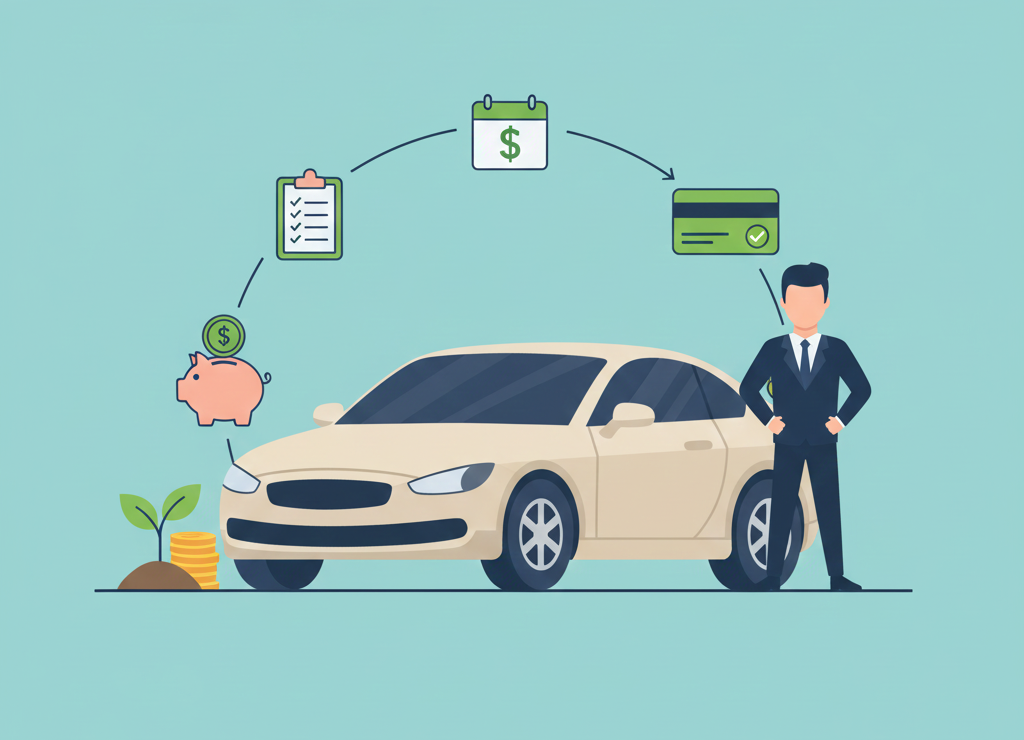
Having no credit can be just as stressful as having bad credit—especially when you’re trying to buy your first car. You might earn enough to handle a payment, but lenders still see you as an “unknown,” and that makes approval feel confusing and out of reach. The good news is that a thin or empty file doesn’t have to stop you from driving. You just need to know how no credit car loans work, what lenders use instead of history, and how to set yourself up as a safe, sensible borrower. This guide walks you through how to buy your first car without history, build trust with lenders, and turn that very first loan into a strong start for your credit profile.
No Credit vs Bad Credit: Why They’re Not the Same
Lenders look at bad credit and no credit differently:
- Bad credit means there’s a history of problems: missed payments, defaults, or heavy use of credit.
- No credit usually means there’s very little data to judge you by—no loans, no cards, no long-standing accounts.
With no credit, the message isn’t “you’re risky,” it’s “we don’t know you yet.” That can still make approval harder, but it’s often easier to move forward than if you had a long trail of negative marks.
If you already know you have negative history, you’re closer to the situation described in Bad Credit Car Loans: Beginner’s Guide to How They Work. If your reports are mostly blank or very light, this article is for you.
What Lenders Look At When You Have No Credit
When credit history is thin or missing, lenders lean harder on other signals:
- Income and job situation
- Stable work, regular pay, and a clear pay pattern matter a lot.
- Longer time with the same employer can help prove reliability.
- Debt and regular bills
- Even without credit, you might have rent, utilities, or phone bills.
- Lenders want to see that your car payment will fit on top of those, not crush you.
- Bank account behaviour
- Do you regularly overdraft or bounce payments?
- Do deposits and withdrawals show that your income is real and steady?
- The car you choose
- More modest, reliable cars are easier to approve for first-time buyers.
- Very expensive or luxury models are harder to finance without history.
You’re trying to tell a simple story: “I don’t have credit yet, but I have stable income, manageable bills, and I’m choosing a realistic car.”
Step 1: Get a Clear Picture of Your Finances
Before you even look at cars, sit down with your numbers:
- Write down net monthly income (what actually hits your account).
- List fixed expenses: rent, utilities, subscriptions, insurance, existing loans.
- Decide how much you can safely spend each month on a car payment, leaving space for fuel and maintenance.
You’re not aiming for the highest payment you can technically make; you want one that still feels comfortable when life throws surprises at you.
Step 2: Choose a “Starter Car” That Fits a First-Time Loan
With no credit, your car choice is part of your application. Think starter car, not dream car.
Look for:
- A reasonable price range (not the very top of what a calculator says).
- Strong reliability ratings and low running costs.
- Simple, practical features rather than expensive luxury add-ons.
A smaller, dependable used car is often easier to finance than a brand-new model packed with options. The goal of this first loan is approval + affordability + credit building, not impressing anyone.
Step 3: Strengthen Your Application Without Faking Anything
You don’t need tricks—you need genuine strengths:
- Keep pay stubs, bank statements, and ID ready in one folder.
- If you pay rent or other bills regularly, have proof of those too.
- If your income comes from multiple sources (job + side work), be prepared to show how that fits together.
For some first-time buyers, a small down payment can also help. It doesn’t have to be huge; even a modest amount shows commitment and reduces the lender’s risk.
Step 4: Decide If You Need a Co-Signer
A co-signer is someone with stronger credit who agrees to share responsibility for the loan.
They can help:
- Lower the perceived risk for the lender
- Improve chances of approval
- Possibly improve your interest rate
But there are serious considerations:
- They’re fully responsible if you miss payments.
- Late payments affect their credit too, not just yours.
- It can strain relationships if money becomes tight.
If you can qualify on your own with a smaller, more affordable car, that’s usually better. Save the co-signer option for situations where you genuinely can’t move forward without it.
Step 5: Use Tools and Offers the Right Way
No credit car lenders often offer:
- Online pre-qualification forms
- Payment estimators
- “First-time buyer” programs
Used properly, these can help you:
- See a realistic price range
- Test how payment changes with term and down payment
- Avoid overcommitting before you ever visit a dealer
If you later move on to more detailed content like How to Get a Car Loan with Bad Credit Step by Step or How to Use a Car Loan Calculator for Bad Credit Financing, you’ll be able to apply the same logic with more confidence.
Step 6: Keep the Long Game in Mind
This first car loan is more than a way to get around; it’s your chance to start your credit story.
To make it count:
- Pay on time, every single month.
- Avoid taking on lots of new debt at the same time.
- Review your credit reports after 6–12 months to see positive data appearing.
If you treat this first no credit car loan as training for future borrowing, you’ll be in a stronger position next time you need to finance a vehicle, a card, or even a home.