
Bad Credit Car Loan: Minimum Requirements
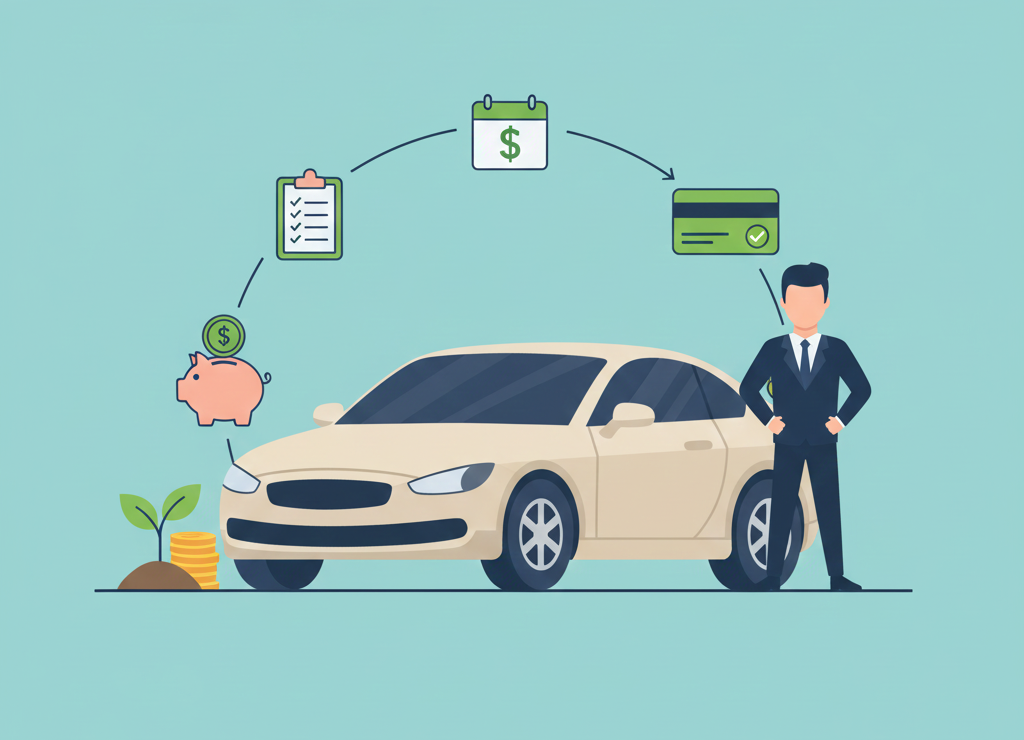
When your credit score is low, the scariest part of shopping for a car loan is not knowing if you even qualify. You might worry that every lender will say no, or that you’ll waste time applying only to be declined over small details you didn’t prepare for. The truth is, most lenders follow a simple set of minimum requirements for income, documents and debt levels—even when they work with bad credit. In this guide, you’ll see what they typically look for, how to check yourself before you apply, and what to improve if you’re not quite there yet. That way, you walk into the process prepared instead of guessing.
Why Minimum Requirements Matter So Much with Bad Credit
With strong credit, lenders are more flexible. With bad credit, they lean hard on their checklist:
- Do you earn enough?
- Can your budget handle another payment?
- Can you prove who you are and where your money comes from?
If you meet their basic requirements, you give them a reason to say “yes, with conditions” instead of a fast “no”. If you don’t, even the most generous lender will struggle to approve you.
If you’re still learning the basics, you can pair this article with Bad Credit Car Loans: Beginner’s Guide to How They Work for a bigger-picture view.
1. Income Requirements: Showing You Can Handle the Payment
Most bad credit lenders want to see stable, predictable income, not just big numbers.
While every lender is different, they usually expect:
- A minimum monthly income (after tax) that comfortably supports your rent, bills, and a car payment
- Proof of that income over the last few months
Commonly accepted sources include:
- Full-time or part-time employment
- Self-employment or contract work
- Certain benefits or pensions
What they care about most is that your income is:
- Ongoing – not a one-time payment
- Trackable – can be seen on pay stubs or bank statements
- Consistent – similar amounts at regular intervals
If your income is irregular, you may still qualify, but you’ll need stronger documentation and a more conservative car budget. Articles like How Much Car You Can Afford with Bad Credit and How to Prepare Your Budget Before Applying for a Bad Credit Car Loan can help you find a payment that makes sense for your situation.
2. Document Requirements: Proving Your Story
When credit is weak, your paperwork does a lot of the talking. Lenders use documents to confirm that what you write on the application matches reality.
Typically, they’ll ask for:
Identity and contact
- Government-issued ID (driver’s licence, passport, or similar)
- Current address and sometimes proof of address (utility bill or lease)
Income and employment
- Recent pay stubs (often last 2–4)
- Bank statements showing deposits and regular activity
- For self-employed: invoices, tax returns, or business statements
Other supporting documents (sometimes required)
- Proof of any additional income (child support, disability, etc.)
- Details of existing loans or finance agreements
- Information on a trade-in vehicle, if you have one
Having these documents ready before you apply tells a lender that you’re serious and organised, which helps offset a weaker credit score.
3. Debt Requirements: How Much Is “Too Much”?
Even if your income looks good, lenders still ask one key question: “How much of this income is already spoken for?”
That’s where your debt obligations come in. They’re looking at things like:
- Current car loans or leases
- Personal loans or instalment loans
- Minimum payments on credit cards
- Other regular credit commitments
They use these to estimate a ratio between:
- Total monthly debt payments (including the new car loan) and
- Monthly income
If this ratio is too high, they’ll worry you’re being stretched too thin. A separate article like How Debt-to-Income Ratio Affects Bad Credit Car Loan Approval dives deeper into that calculation, but the basic idea is simple: the more debt you already have, the smaller a new payment they’ll be comfortable offering.
If your existing debt is heavy, you might need to:
- Pay down a few balances first
- Choose a cheaper car
- Consider a slightly longer term (without going overboard)
4. Minimum Vehicle Requirements: The Car Also Has to Qualify
It’s easy to forget that lenders approve you and the car together, not you alone.
They may set guidelines around:
- Maximum mileage – very high mileage cars can be harder to finance
- Maximum age – some won’t lend on vehicles older than a set number of years
- Price range – they may cap how much you can borrow based on your income and credit
A reliable, reasonably priced car that fits their rules is often easier to approve than a more expensive model that pushes your budget to the edge.
5. How to Check Yourself Before You Apply
Here’s a quick self-checklist before you start the application:
- Do I have steady income I can prove on paper?
- Is my car payment budget realistic once I add fuel and insurance?
- Are my documents (ID, pay stubs, bank statements) ready to go?
- Are my existing debts under control, or can I reduce a few before I apply?
- Am I choosing a sensible car that matches my situation, not my dream list?
If you can answer “yes” to most of these, you’re in a much stronger position. From there, you can follow a detailed process like How to Get a Car Loan with Bad Credit Step by Step to move through the application itself.
6. What If You Don’t Meet the Minimums Yet?
Not meeting minimum requirements today doesn’t mean “never”—it just means “not yet.”
You might:
- Reduce a high credit card balance
- Bring a few small overdue accounts current
- Save a small down payment to shrink the loan amount
- Choose a lower-priced car so the payment fits better
Even small improvements can be enough to shift a borderline application into the approval pile.