
Car Loans After Repossession: How to Try Again Safely
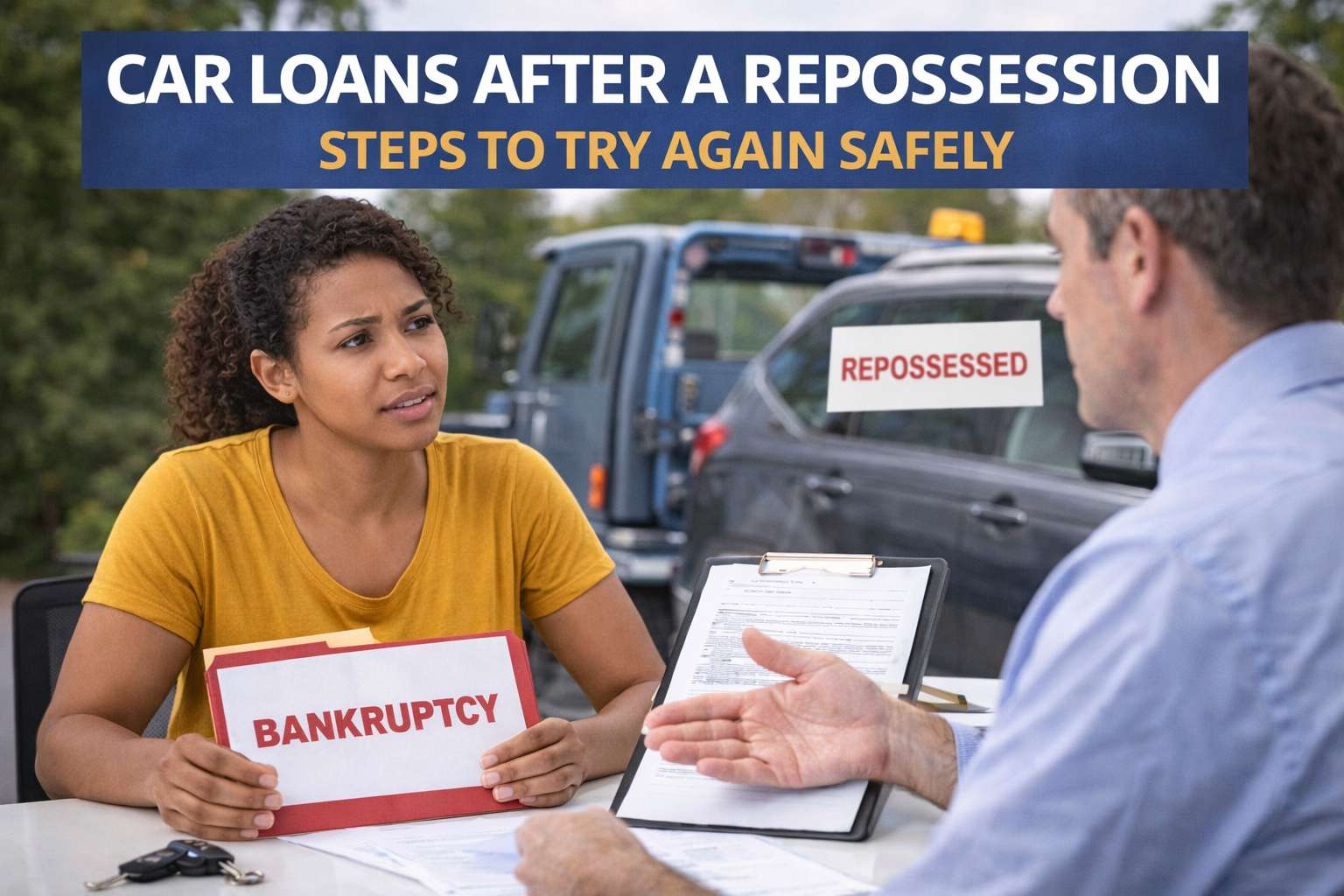
A vehicle repossession can feel discouraging, especially when you still need reliable transportation. Many buyers assume a repossession means they’re locked out of car loans for years, or that their only option is another risky agreement. The truth is that getting a car loan after a repossession is possible, but the approach matters more than ever. Rushing back in without a plan can lead to another setback. This guide walks through how to try again safely so your next loan supports stability instead of repeating the past.
Can You Get a Car Loan After a Repossession?
Yes, many buyers are able to secure auto financing after a repossession. Lenders understand that financial challenges happen and that a repossession doesn’t define your future behavior.
That said, approvals are usually more cautious. Expect extra focus on affordability, stability, and how circumstances have changed since the repossession.
Why Repossessions Change How Lenders Evaluate Risk
A repossession signals that a previous loan became unsustainable. As a result, lenders look closely at whether the issues that caused it still exist.
They typically want reassurance that:
- Income is stable
- Monthly expenses are manageable
- The new loan won’t recreate the same strain
This makes preparation more important than urgency.
Step One: Understand What Went Wrong
Before applying again, it’s important to be honest about what caused the repossession. Common reasons include:
- Income interruption
- Unexpected expenses
- Loan payments that were too high
- Life changes that weren’t planned for
Identifying the cause helps you avoid repeating the same pattern.
Step Two: Rebuild Stability Before Reapplying
You don’t need perfect credit to try again, but you do need stability.
That usually means:
- Consistent income
- Housing stability
- No new unpaid obligations piling up
Demonstrating steadiness matters more than time alone.
Step Three: Set a Realistic Budget
One of the biggest mistakes after repossession is trying to “catch up” with a more expensive vehicle.
A safer approach is choosing a payment that fits comfortably below your maximum ability. This reduces stress and shows lenders that the new loan is sustainable.
Step Four: Choose the Right Type of Vehicle
Lower-priced, practical vehicles are generally safer after a repossession. They keep loan amounts smaller and reduce interest paid over time.
Vehicles with high purchase prices or costly ownership expenses increase the risk of repeating past difficulties—even if approval is possible.
Step Five: Be Prepared for Different Loan Terms
After a repossession, loan terms may include:
- Higher interest rates
- Required down payments
- Shorter loan lengths
- Vehicle value limits
These adjustments are designed to prevent another failure—not to punish you.
Step Six: Avoid Rolling Old Debt Forward
Some buyers attempt to include unpaid balances from a previous loan into a new one. This often creates immediate negative equity.
Starting fresh with a clean, affordable loan structure is usually the safest option when trying again.
Step Seven: Focus on Rebuilding, Not Upgrading
A post-repossession car loan should be viewed as a rebuilding step.
Making consistent, on-time payments over time:
- Improves credit confidence
- Demonstrates reliability
- Opens better options later
Trying to upgrade too quickly increases risk without improving outcomes.
Common Mistakes to Avoid After Repossession
Applying repeatedly without preparation
Multiple applications without strategy can increase stress and delay progress.
Choosing payment size over affordability
A loan that barely fits today may fail tomorrow.
Ignoring total ownership costs
Fuel, insurance, and maintenance all affect whether a loan stays manageable.
Emotion Can Lead to Rushed Decisions
Repossession often comes with embarrassment or urgency. Those emotions can push buyers into agreements that feel familiar—but unsafe.
Slowing down and focusing on long-term comfort helps prevent repeating the cycle.
Trying Again Safely Builds Confidence
A repossession doesn’t mean starting over—it means starting smarter.
When the new loan is aligned with your current reality, it can become a foundation for stability instead of another source of stress.