
How to Pick the Right Car with Imperfect Credit
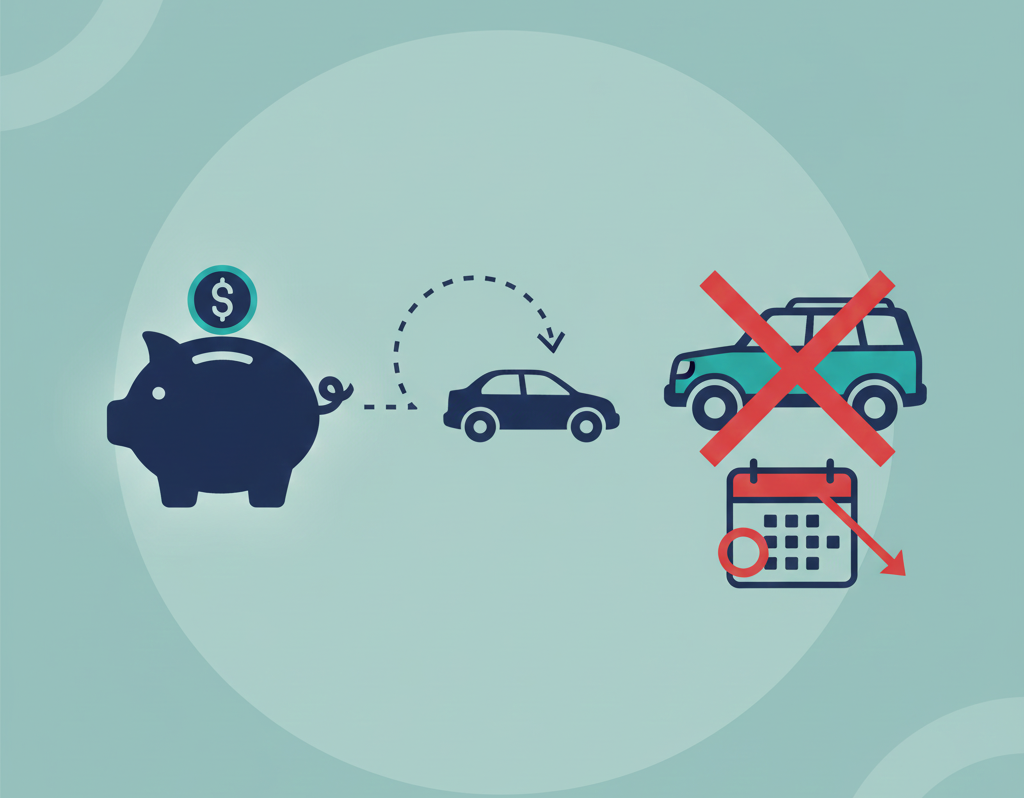
When your credit isn’t perfect, choosing the wrong car can quietly ruin your chances of getting approved. You might fall in love with a model that looks great on the lot but is simply too expensive, too risky, or too hard for a lender to finance on your profile. The car itself becomes part of the approval decision, not just an afterthought. The good news is that you can stack the odds in your favour by choosing a vehicle that fits what lenders—and your budget—are comfortable with. In this guide, you’ll learn how to pick the right kind of car, at the right price, so your loan application feels sensible rather than stretched.
Why the Car You Choose Matters So Much with Imperfect Credit
When credit is strong, buyers can often choose almost any car first and worry about financing later. With imperfect credit, it works the other way around: the car has to fit your situation.
Lenders look at your choice of vehicle as part of the risk:
- A modest, reliable car signals you’re being careful.
- An expensive or oversized vehicle can make them nervous about payment stress.
- Very old or very high-mileage cars may be harder to finance at all.
So picking the right car is not just about taste—it’s a signal to lenders that you’re realistic and responsible.
If you haven’t already, you can pair this article with How Much Car You Can Afford with Bad Credit to decide your budget before you start comparing models.
Step 1: Choose the Right Vehicle Category for Your Lifestyle
Start by matching the type of car to how you really live, not how you’d like to look in photos.
Ask yourself:
- Do you mostly drive to work and back alone?
- Do you regularly carry kids, pets, or bulky items?
- Do you drive mostly in the city, on highways, or in mixed conditions?
Then think in categories:
- Small car / compact – Often cheaper to buy, insure and fuel. Good if you commute solo and want to keep costs tight.
- Sedan – Balanced choice for everyday use, small families and regular commuting.
- Small SUV / crossover – A bit more room and higher driving position without going into “big SUV” prices.
- Larger SUV / truck – Only if you genuinely need towing, heavy cargo, or regular off-road use.
The goal is to avoid paying for size and features you don’t actually need. The more car you buy “just in case,” the harder it is to keep the loan realistic when your credit isn’t perfect.
Step 2: Focus on Reliability and Running Costs, Not Just Looks
Stylish wheels and flashy interiors won’t help if the car spends more time in the shop than on the road.
When your credit is already fragile, unexpected repairs can push you toward missed payments. So give extra weight to:
- Reliability records – Some brands and models have a long track record of lasting well.
- Fuel efficiency – A thirsty vehicle quietly eats your budget each month.
- Typical repair costs – Parts and labour for some brands are much more expensive.
Two cars with the same price can feel very different over time:
- Car A: modest, efficient, and cheap to maintain
- Car B: stylish, heavy on fuel, and costly to repair
With imperfect credit, Car A usually supports your long-term goals much better.
Step 3: Be Smart About Age and Mileage
Age and mileage aren’t just mechanical issues—they matter to lenders as well.
Many finance providers prefer:
- Cars that are not too old
- Mileage that looks reasonable for the age
- Vehicles that will likely last the full loan term
Think in terms like:
- New or nearly new – Higher purchase price but fewer repairs in the early years.
- Gently used – Often the sweet spot: lower price, but still modern and finance-friendly.
- Very old / very high mileage – Cheaper at first, but riskier both for breakdowns and for financing approval.
When your credit isn’t perfect, a sensible, gently used car can often be the best compromise: easier to finance than a very old car, and cheaper than brand new.
Step 4: Match Features to Real Needs, Not Sales Pressure
Dealerships love to highlight tech and extras: huge touchscreens, panoramic roofs, top-tier sound systems. These are nice, but they also push up the price.
Separate your list into:
- Must-haves – Safety features (airbags, stability control), basic comfort (air conditioning, good seating), and any feature you truly rely on (for example, backup camera if you have mobility issues).
- Nice-to-haves – Premium audio, large wheels, leather seats, advanced infotainment.
If a car with your must-haves sits at a sensible price, you’re in a good place. If you keep adding nice-to-haves until the payment stretches your budget, you’re working against your own approval chances.
Step 5: Think Like a Lender When You Shop
As you browse cars online or on the lot, ask yourself the same questions a lender might:
- “Does this car look like a reasonable choice for someone with my income?”
- “If I lost a bit of income for a month, would this payment still be manageable?”
- “Would I lend money on this car, at this price, to someone with my credit history?”
If the honest answer is “probably not,” consider a different car or a lower trim. This mindset lines up well with the ideas in How Lenders Decide on Approval When Your Credit Score Is Low—you’re trying to make their decision easier.
Step 6: Shortlist Before You Talk Financing
Before you ever sit down to discuss the loan:
- Decide on a clear budget range.
- Shortlist a few cars that fit your category, reliability needs, and budget.
- Be ready to walk away from any vehicle that pushes you over your own limits.
That way, when you move on to guides like How to Get a Car Loan with Bad Credit Step by Step, you’re not starting from a place of “I need this exact car.” You’re starting from “I need a car that keeps my finances safe.”