
Use a Tax Refund to Improve a Difficult Car Loan
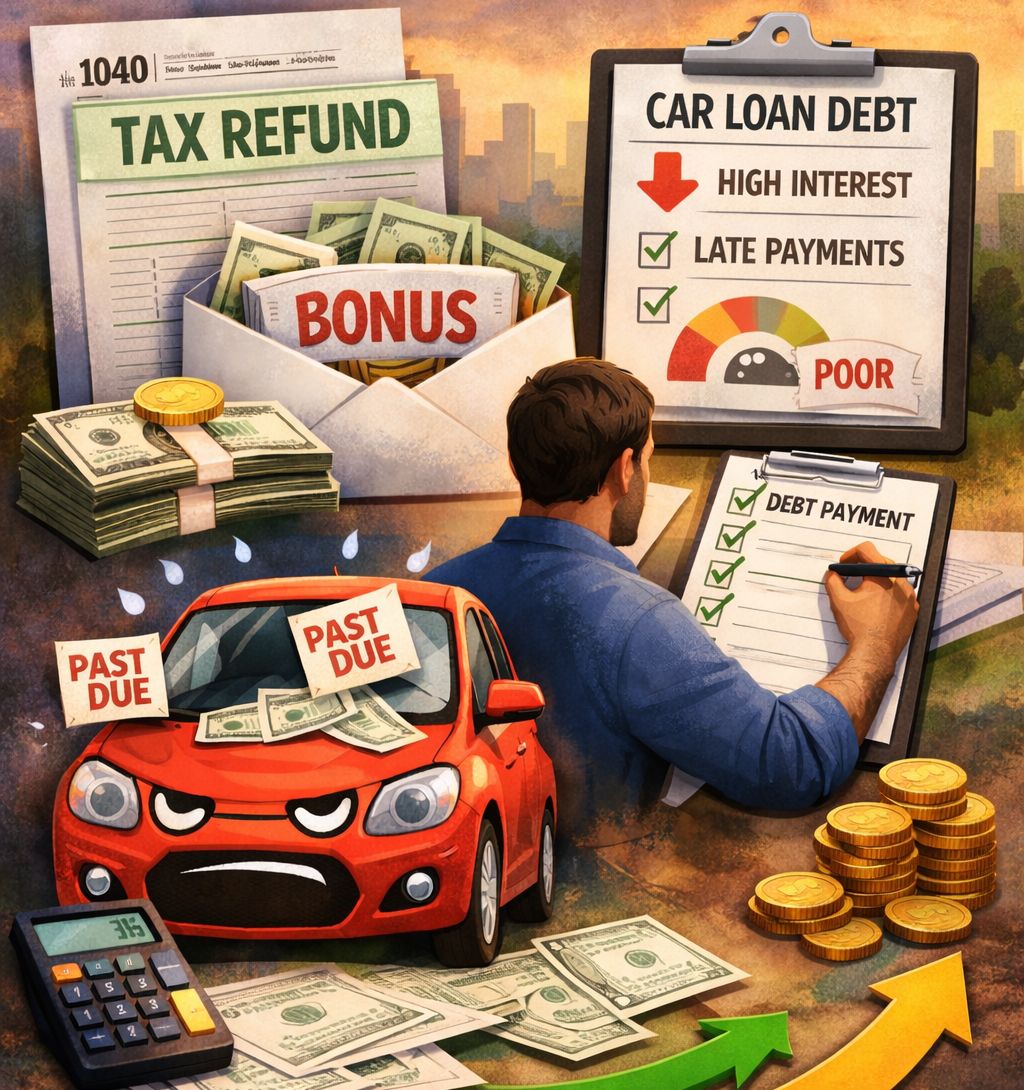
If you’re dealing with a difficult car loan—high interest, tight payments, or negative equity—a tax refund or work bonus can feel like a rare opportunity to reset. Many drivers with bad credit or past financial struggles don’t realize how powerful one lump-sum payment can be. Used strategically, it can lower your balance, reduce stress, and even improve your refinance options later. This guide explains exactly how to make the smartest move with extra money when your auto loan feels overwhelming.
Why a Lump Sum Can Change the Direction of Your Loan
When you have a high-interest auto loan, most of your early payments go toward interest rather than principal. That’s especially true for buyers who qualified with damaged credit.
A tax refund or bonus gives you a chance to disrupt that pattern. Even one large payment applied directly to the principal can:
- Reduce the total interest you’ll pay over time
- Shorten the life of the loan
- Improve your loan-to-value ratio
- Make refinancing more realistic later
It’s not just about lowering the balance—it’s about improving your leverage.
Step 1: Decide Between Principal Reduction or Payment Relief
Before sending in extra money, you need clarity on your goal.
Option A: Apply It Directly to Principal
If your lender allows principal-only payments, this is often the strongest long-term strategy. A principal reduction lowers the actual amount you owe, which reduces how much interest accumulates going forward.
Example:
If you owe $14,000 at a high interest rate and apply a $2,000 tax refund toward principal, interest is now calculated on $12,000 instead of $14,000. That difference adds up month after month.
Always confirm the payment is applied to principal—not simply marked as future scheduled payments.
Option B: Get Temporary Payment Relief
If you’re struggling to stay current, applying funds toward upcoming payments may reduce stress in the short term.
However, this does not lower the balance or total interest significantly. It simply advances your payment schedule. This option helps with breathing room—but not long-term savings.
Step 2: Strengthen Your Position for Refinancing
For many borrowers with difficult car loans, refinancing is the long-term goal.
Lenders often look at two major factors:
- Your payment history
- Your loan-to-value (LTV) ratio
A lump-sum payment reduces your LTV by lowering what you owe compared to the vehicle’s value. If you were previously “upside down,” this can move you closer to positive equity.
Combine that with several months of on-time payments, and you may qualify for better refinance terms later. Even a small rate reduction can save hundreds or thousands over the life of the loan.
Step 3: Avoid Common Mistakes
When extra money arrives, it’s tempting to act quickly. But careful planning matters.
Mistake #1: Paying Everything Without an Emergency Fund
If you use your entire refund and then face a surprise expense—medical bill, car repair, job gap—you could fall behind again.
Consider keeping a small emergency cushion before making a large principal payment. Stability protects your progress.
Mistake #2: Ignoring High-Interest Credit Cards
If you carry credit card debt at 25–30% interest, paying that down may improve your overall financial profile more than reducing a car loan at 18%.
Look at your full financial picture before deciding.
Mistake #3: Not Verifying Prepayment Rules
Most auto loans allow early principal payments without penalties, but it’s smart to confirm. Ask your lender:
- Are there prepayment penalties?
- How do I mark the payment for principal-only application?
Clear communication avoids surprises.
When a Bonus Should Go Toward Catching Up
If you’re behind on payments or at risk of repossession, your tax refund or work bonus should first protect your vehicle.
Bring the account current before focusing on principal reduction. Late payments cause credit damage that can outweigh the benefit of lowering your balance.
Stability comes before optimization.
Long-Term Impact on Credit
Reducing your principal doesn’t instantly raise your credit score. However, it does improve financial ratios over time and lowers your risk of missed payments.
If your loan balance drops significantly and you continue making consistent payments, your credit profile gradually strengthens. That combination—lower balance and strong payment history—makes future approvals easier.
Should You Trade In Instead?
Some borrowers consider using a tax refund as a down payment on a different vehicle.
This can make sense if:
- Your current car has mechanical issues
- Your interest rate is extremely high
- You now have stronger credit than when you first financed
However, if you’re heavily upside down, trading in may roll negative equity into a new loan—creating another difficult cycle.
In many cases, improving the loan you already have is the more stable path.
A Strategic Reset, Not a Quick Fix
A tax refund or bonus isn’t just “extra money.” For drivers managing high-interest auto loans, it’s an opportunity to shift momentum.
Whether you reduce principal, stabilize overdue payments, or prepare for refinancing, the key is making a calculated decision. One smart move today can reduce financial pressure for years to come.